
Cybersecurity · head to head
Passbolt vs Uptime.com

Passbolt
Cybersecurity
Open-source password manager for teams with self-hosted or cloud deployment
- From
- Free
- Free plan
- Yes
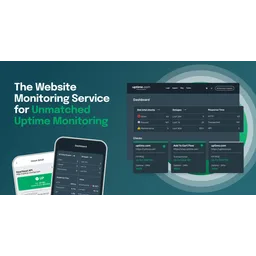
Uptime.com
Logging
Website monitoring and uptime checker with 80+ global monitoring points
- From
- $9/month
- Free plan
- No
The short version
- Uptime.com is a website and API monitoring service.
- Passbolt has a free plan, then $4.9/mo; Uptime.com starts at $9/mo.
- Only Passbolt lists password sharing and folders; only Uptime.com lists website monitoring.
- Where Passbolt falls short: pro Edition requires a minimum of 10 users, making it costlier for very small teams.
- Where Uptime.com falls short: pricing structure not fully detailed publicly.
- Prices and features on this page were last checked on 25 November 2026.
How do Passbolt and Uptime.com differ?
Passbolt and Uptime.com differ on starting price (Free against $9/month), pricing model (Open-source against Subscription) and free tier (Yes against No). Only the attributes on which Passbolt and Uptime.com actually diverge.
| Attribute | Passbolt | Uptime.com |
|---|---|---|
| Starting price | Free | $9/month |
| Pricing model | Open-source | Subscription |
| Free tier | Yes | No |
| Platforms | Web, Windows, macOS, Linux, API | Web, API |
| Category | Cybersecurity | Logging |
| Founded | 2017 | 2013 |
Which features does each one have?
They share no listed features; 6 appear only for Passbolt and 8 only for Uptime.com. Drawn from each product's published feature list. An absence here means we hold no record of it - not that the product lacks it.
Only in Passbolt
- Password sharing and folders
- Groups and role-based access
- Browser extensions and CLI
- Open API
- LDAP provisioning and SSO
- Activity audit log
Only in Uptime.com
- Website monitoring
- API monitoring
- Synthetic monitoring
- Page speed testing
- Real User Monitoring
- Status pages
- Private locations
- Global network
What is each one used for?
Passbolt is most often brought in for self-hosting a team password manager for data sovereignty; Uptime.com for monitor website availability across multiple global locations. The jobs each tool is most often brought in to do.
Passbolt
- Self-hosting a team password manager for data sovereigntynot Uptime.com
- Provisioning vault access from an existing LDAP/AD directorynot Uptime.com
- Sharing credentials across engineering or IT teams via folders and groupsnot Uptime.com
- Automating credential retrieval through the CLI or open APInot Uptime.com
Uptime.com
- Monitor website availability across multiple global locationsnot Passbolt
- Test API endpoints and validate response timesnot Passbolt
- Verify DNS resolution and certificate validitynot Passbolt
- Track page load performance over timenot Passbolt
- Send alerts to teams when issues occurnot Passbolt
Where do Passbolt and Uptime.com fall short?
Passbolt's most cited limit: pro Edition requires a minimum of 10 users, making it costlier for very small teams. Uptime.com's: pricing structure not fully detailed publicly. Documented limitations, not opinions. Every one is a constraint you would hit in normal use.
Passbolt
- Pro Edition requires a minimum of 10 users, making it costlier for very small teams
- Community Edition lacks SSO and LDAP provisioning, which many organizations need for onboarding at scale
- Self-hosting the Community Edition requires infrastructure and maintenance effort compared to fully managed competitors
- Enterprise-tier support and HA consulting require custom, quote-based pricing rather than transparent rates
Uptime.com
- Pricing structure not fully detailed publicly
- Limited information on check frequency in basic plans
- Real User Monitoring and status pages require add-ons
- Lower-tier plans may have feature limitations
How much do Passbolt and Uptime.com cost?
Passbolt has a free plan, with paid plans from $4.9/mo; Uptime.com starts at $9/mo. Plan by plan below, from each vendor's own pricing page.
Passbolt
Free- Community EditionFree
- Unlimited users
- Password sharing and folders
- Role-based access control
- Pro Edition$4.9/mo
- Minimum 10 users, billed annually
- LDAP/AD provisioning
- Single sign-on
- Enterprise EditionOn request
- High availability and disaster recovery consulting
- White-glove migration
- Custom feature development
Uptime.com
$9/monthNo published plan breakdown. See the Uptime.com review.
Which should you pick?
Choose Passbolt if
- You need password sharing and folders.
- You want to start without paying.
- You work on Web, Windows, macOS, Linux, API.
- You also want groups and role-based access.
Choose Uptime.com if
- You need website monitoring.
- You work on Web, API.
- You also want api monitoring.
Questions people ask
- Is Passbolt or Uptime.com better?
- Neither clearly leads. Passbolt starts at Free and Uptime.com at $9/month, and user ratings are close enough to be indistinguishable. Choose on capability and platform support.
- Which is cheaper, Passbolt or Uptime.com?
- Passbolt has a free tier; the other does not. Paid plans start at Free for Passbolt and $9/month for Uptime.com.
- Does Passbolt or Uptime.com run on more platforms?
- Passbolt runs on Web, Windows, macOS, Linux, API. Uptime.com runs on Web, API.
- Can I use Passbolt for free?
- Yes. Passbolt has a free tier, so you can try it without paying. Uptime.com starts at $9/month.
- What is Passbolt best used for?
- Passbolt is most often used for self-hosting a team password manager for data sovereignty, provisioning vault access from an existing ldap/ad directory, sharing credentials across engineering or it teams via folders and groups, automating credential retrieval through the cli or open api. Of those, self-hosting a team password manager for data sovereignty and provisioning vault access from an existing ldap/ad directory are not what Uptime.com is typically brought in for.
- What can Passbolt do that Uptime.com cannot?
- Passbolt covers Password sharing and folders, Groups and role-based access, Browser extensions and CLI, Open API. Uptime.com covers Website monitoring, API monitoring, Synthetic monitoring, Page speed testing.
Answered from the vendors’ own pages
Passbolt: Is Passbolt free to use?
Yes. The Community Edition is free forever with unlimited users, including password sharing, folders, groups, role-based access, browser extensions, a CLI, and an open API.
SourceUptime.com: Does Uptime.com offer a money-back guarantee?
Yes, Uptime.com provides a 30-day money-back guarantee for new users, allowing risk-free trial of their service.
SourcePassbolt: What does the Pro Edition cost and add?
Pro Edition costs $4.90 per user per month billed annually, with a 10-user minimum, and adds LDAP/AD provisioning, single sign-on, account recovery escrow, activity audit logs, and next-business-day support.
SourceUptime.com: What alerting methods does Uptime.com support?
All plans include email and SMS alerting with 20+ integrations available including Slack, Teams, PagerDuty, and webhooks for custom integrations.
SourcePassbolt: What license is Passbolt distributed under?
All Passbolt editions, including Pro and Enterprise, are distributed under the AGPL v3 open-source license.
SourceUptime.com: How many monitoring locations does Uptime.com have?
Uptime.com operates 80+ monitoring locations worldwide, enabling checks from multiple geographic regions to detect regional connectivity issues.
SourceRelated pages
Other head to heads
- Passbolt vs 1Password
- Passbolt vs HashiCorp Vault
- Passbolt vs Bitwarden
- Passbolt vs Infisical
- Passbolt vs Keeper Password Manager
- Passbolt vs Dashlane
- Passbolt vs LastPass
- Passbolt vs authentik
- Passbolt vs Enpass
- Passbolt vs Authelia
- Passbolt vs Norton 360
- Passbolt vs Semgrep
- Passbolt vs NICE Actimize
- Passbolt vs NordPass
- Passbolt vs Palo Alto Networks Prisma Cloud
- Passbolt vs Securiti
- Passbolt vs Surfshark
- Passbolt vs Cybereason Defense Platform
- Passbolt vs Checkly
- Passbolt vs Atlassian Statuspage
- Passbolt vs UptimeRobot
- Passbolt vs StatusCake
- Passbolt vs Site24x7
- Passbolt vs Better Stack
- Passbolt vs Cronitor
- Passbolt vs Sentry
- Passbolt vs PagerDuty
- Passbolt vs New Relic
- Passbolt vs Datadog
- Passbolt vs InfluxDB
- Passbolt vs Filebeat
- Passbolt vs FireHydrant
- Passbolt vs Fluent Bit
- Passbolt vs Raygun
- Passbolt vs Logstash
- Passbolt vs Fluentd
- Uptime.com vs 1Password
- Uptime.com vs HashiCorp Vault
- Uptime.com vs Bitwarden
- Uptime.com vs Infisical
- Uptime.com vs Keeper Password Manager
- Uptime.com vs Dashlane
- Uptime.com vs LastPass
- Uptime.com vs authentik
- Uptime.com vs Enpass
- Uptime.com vs Authelia
- Uptime.com vs Norton 360
- Uptime.com vs Semgrep
- Uptime.com vs NICE Actimize
- Uptime.com vs NordPass
- Uptime.com vs Palo Alto Networks Prisma Cloud
- Uptime.com vs Securiti
- Uptime.com vs Surfshark
- Uptime.com vs Cybereason Defense Platform
- Uptime.com vs Checkly
- Uptime.com vs Atlassian Statuspage
- Uptime.com vs UptimeRobot
- Uptime.com vs StatusCake
- Uptime.com vs Site24x7
- Uptime.com vs Better Stack
- Uptime.com vs Cronitor
- Uptime.com vs Sentry
- Uptime.com vs PagerDuty
- Uptime.com vs New Relic
- Uptime.com vs Datadog
- Uptime.com vs InfluxDB
- Uptime.com vs Filebeat
- Uptime.com vs FireHydrant
- Uptime.com vs Fluent Bit
- Uptime.com vs Raygun
- Uptime.com vs Logstash
- Uptime.com vs Fluentd