 Ardourvs
 REAPER
REAPER: Pick REAPER for a similarly cheap and similarly scriptable workstation with a much larger user base, better MIDI editing and an honour-system licence.

GPL workstation whose source is free and whose prebuilt binaries are paid
As of 31 August 2026, Ardour has a free plan and paid plans start at $1/month. An open source digital audio workstation led by Paul Davis, the author of JACK. Softwr lists it under Music. Ardour is made by Ardour project, available on Linux, macOS, Windows.
Overview
Ardour is a digital audio workstation for Linux, macOS and Windows released under the GPL. It records and edits unlimited audio and MIDI tracks, has VCA masters, flexible bus routing, a video timeline for post-production, and Lua scripting for automating editing tasks and adding custom DSP. It integrates with JACK and with the native audio layer on each platform, and it is the codebase underneath the commercial Harrison Mixbus. The funding model is the fact that changes decisions. The source code is free and you may compile it yourself at no cost, but the tested installers the project builds sit behind payment: a monthly subscription from a low minimum, or a single payment of at least 45 US dollars that includes updates until the next major version. Nothing in the licence stops you distributing what you compile, so the payment buys convenience and funds development; it does not buy permission. In practice that means an organisation can standardise on Ardour across many machines with no per-seat licence cost by building it in house, which no commercial workstation allows at any price. It is used by Linux studios, post-production and dubbing work, broadcast and educational institutions that cannot buy per-seat licences, and people who object on principle to activation servers. The trade-off is content and polish. Almost no instruments or sample content ship with it, ARA is not supported, the MIDI editor is behind the commercial workstations, and support is community forums and a mailing list rather than a vendor with a response commitment.
The honest half
Concrete and checkable, so you can decide whether any of them matter to you. This is the half of a review a vendor will not write about Ardour.
Cross-shopped
Each pairing was judged by two reviewers asking whether a buyer would genuinely weigh the two against each other. The ones that failed were deleted rather than published.
REAPER: Pick REAPER for a similarly cheap and similarly scriptable workstation with a much larger user base, better MIDI editing and an honour-system licence.

Audacity: Pick Audacity for straightforward recording and file editing where a full workstation with buses and automation is more than the job needs.
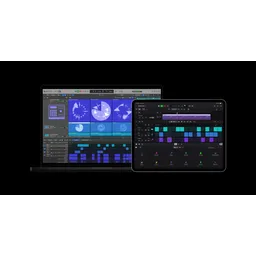
Logic Pro: Pick Logic Pro if you are on macOS, want a large bundled instrument library and a supported vendor, and the open source requirement is not a hard one.
Pricing
Taken from the vendor's own pricing page. Prices move, so check before you buy.
Source code
Free
Subscription
$1 /mo
Single payment
$45 /one-time
Capabilities
Unlimited tracks and buses
No track count tied to a licence tier or edition
VCA masters
Groups faders without routing audio through a summing bus
Video timeline
Loads a reference film for post-production and dubbing work
Lua scripting
Automates editing and session tasks and adds custom DSP from inside the application
JACK and native audio backends
Routes audio between applications on Linux, with CoreAudio and ASIO backends elsewhere
No activation or phone home
Runs without a licence server, a dongle or an account of any kind
Broad plugin support
Hosts LV2, VST2 and VST3, plus Audio Units on macOS
Source availability
GPL source can be compiled and redistributed, including as an organisation build
Answered, with sources
Each answer names the page it came from, so you can check it rather than take our word for it.
The source is free and GPL licensed. The prebuilt installers are paid, from a small monthly subscription or a single payment of at least 45 US dollars. You can compile it yourself at no cost and legally redistribute the result.
A ready-to-run installer plus updates until the next major version. After that you pay again if you want the new major release as a prebuilt build.
Yes. The GPL permits compiling and distributing your own build internally, so there is no per-seat cost. What you give up is the tested official installer and the funding you would otherwise contribute.
Yes. The macOS and Windows builds are real and supported, but Linux is where the project is developed and tested first.
Keep looking
Full digital audio workstation with a 60 day evaluation and a USD 60 personal licence
Apple's digital audio workstation, sold outright on Mac and by subscription on iPad
Single-window workstation with album mastering built into the same project, now owned by Fender
Avid digital audio workstation with four tiers gated by track count and simultaneous I/O rather than by feature
Modular DAW with a native Linux build and a 12-month upgrade window rather than a subscription
Steinberg workstation with the strongest score editor of any DAW, now licensed without a USB dongle
Tracker sequencer with a vertical timeline, keyboard entry and a demo limited only by rendering
Free, open source notation software under the GPL, distinct from the separate paid MuseScore.com and MuseSounds subscriptions
Free, browser and mobile-based collaborative DAW, with optional Pro and Max membership tiers for sample libraries and extras
Spotify-owned browser-based DAW and podcast studio, sold on separate Music Maker and Storytellers subscription tracks
Pioneer DJ’s library management and performance software, sold on annual subscription tiers gated by connected hardware
DJ mixing software sold as Pro and Suite tiers, with a free Lite edition and hardware unlocking on supported controllers
Native Instruments DJ software sold as a straightforward one-time purchase, with a free entry edition called Traktor Play
Free digital audio workstation bundled with macOS and iOS, with no paid tier or upgrade path of its own
Avid digital audio workstation with four tiers gated by track count and simultaneous I/O rather than by feature
Avid’s music notation software, now sold primarily on subscription with perpetual licences still available at higher upfront cost
Softwr does not host reviews and shows no star rating for Ardour, because a rating we did not collect is not ours to publish. What is here is the pricing and platform detail from the vendor’s own pages, limitations we could state concretely, and alternatives a reviewer confirmed people weigh against it. Tell us if any of it is wrong.
What people switch to, and what they give up
Every tier, and where the cost actually lands
Put it head to head with anything we hold
Its rating, and an embed for your own site
Free digital audio workstation bundled with macOS and iOS, with no paid tier or upgrade path of its own
Open source, no licence feeFree, browser and mobile-based collaborative DAW, with optional Pro and Max membership tiers for sample libraries and extras
Per user per yearAI mastering and music distribution, sold as separate mastering, distribution and bundled Studio subscriptions
Per user per month, separate mastering and distribution subscriptionsAvid digital audio workstation with four tiers gated by track count and simultaneous I/O rather than by feature
Per user per yearFlat annual subscription music distribution where artists keep 100% of streaming royalties
One-time purchaseFree, open source notation software under the GPL, distinct from the separate paid MuseScore.com and MuseSounds subscriptions
Open source, no licence feeSteinberg’s notation software, still sold as a perpetual licence on desktop with subscription only offered on iPad
One-time purchaseMusic distribution charging an upfront per-release fee plus a permanent 9% commission on royalties, now owned by Universal Music Group
One-time purchase plus ongoing commission