 Encorevs
 Terraform
Terraform: General-purpose infrastructure-as-code with broader cloud support

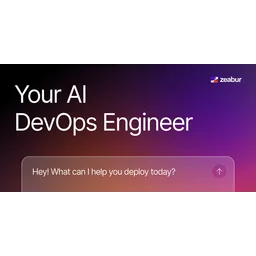
Automated infrastructure for humans and agents
As of 29 August 2026, Encore has a free plan and paid plans start at $49/month. Encore is a platform that automates infrastructure provisioning from development through production. Softwr lists it under Cloud. Encore is available on Web, API.
Overview
Encore is a backend infrastructure platform that automates cloud deployments for TypeScript and Go applications. Instead of managing Terraform files and infrastructure separately, developers define infrastructure directly in their application code. Encore handles local development with real databases and queues, creates isolated preview environments for feature branches, and automatically provisions infrastructure in AWS or GCP when code is merged. The platform supports developers and AI agents working independently within approved policies, enabling organizations to achieve 2-3x faster development speed while avoiding vendor lock-in by running on their own cloud accounts.
The honest half
Concrete and checkable, so you can decide whether any of them matter to you. This is the half of a review a vendor will not write about Encore.
Cross-shopped
Each pairing was judged by two reviewers asking whether a buyer would genuinely weigh the two against each other. The ones that failed were deleted rather than published.
Terraform: General-purpose infrastructure-as-code with broader cloud support

Pulumi: Infrastructure-as-code using general programming languages
Pricing
Taken from the vendor's own pricing page. Prices move, so check before you buy.
Starter
Free
Pro
$49 /mo
Enterprise
On request
Capabilities
Local development environment
Run complete backend with real databases and queues locally
Preview environments
Automatically create isolated environments for each feature branch
Infrastructure automation
Provision databases, storage, and messaging from code
Cloud deployment
Deploy to AWS or GCP without vendor lock-in
Self-service operations
Allow developers to work independently within centralized policies
Distributed tracing
Built-in observability with tracing and logging
Answered, with sources
Each answer names the page it came from, so you can check it rather than take our word for it.
The Pro plan costs $49/member/month plus usage charges of $2.50 per resource and $99 per AWS/GCP environment.
SourceYes, Encore deploys infrastructure in your own AWS or GCP cloud account, so you maintain complete control and avoid vendor lock-in.
SourceKeep looking
Platform for scaling AI and data workloads on Ray, built by Ray's creators
Fast inference and fine-tuning platform for open and custom AI models
Softwr does not host reviews and shows no star rating for Encore, because a rating we did not collect is not ours to publish. What is here is the pricing and platform detail from the vendor’s own pages, limitations we could state concretely, and alternatives a reviewer confirmed people weigh against it. Tell us if any of it is wrong.
What people switch to, and what they give up
Every tier, and where the cost actually lands
Put it head to head with anything we hold
Its rating, and an embed for your own site
Open source distributed block storage for Kubernetes, incubating at the CNCF
Open source, no licence feeDeployment platform that provisions and operates Kubernetes inside your own cloud account
quoteCloud cost estimates in pull requests, with governance in the paid tier
Free open source tool, then per month by run volumeFree self-hosted platform built on Docker Swarm with a dashboard and automatic certificates
Open source, no licence feeOpen source self-hosted platform that deploys applications and databases to servers you already own
Open source, no licence fee