
Developer Tools · head to head
Deno vs RAD Studio
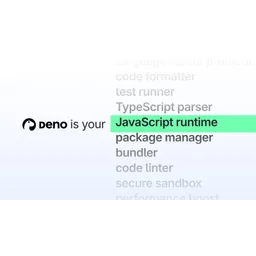
Deno
Developer Tools
A fast, open-source, fully Node-compatible JS runtime with TypeScript baked right in
- From
- Free
- Rated
- -

RAD Studio
Developer Tools
Cross-platform native app development with Delphi and C++Builder
- From
- $2000/perpetual
- Rated
- -
The short version
- Only Deno has a free tier, so it costs nothing to try first.
- Each has a real cost: Deno egress bandwidth overage costs $0.20/GB which can become expensive for high-traffic applications; RAD Studio professional edition costs $2,000 for the perpetual license plus $599 for year one maintenance, totaling $2,599 before tax
- Prices and features above were last checked on 29 August 2026.
Where they differ
Only the attributes on which Deno and RAD Studio actually diverge.
| Attribute | Deno | RAD Studio |
|---|---|---|
| Starting price | Free | $2000/perpetual |
| Pricing model | freemium | one-time |
| Free tier | Yes | No |
Identical on both: platforms (Web), user rating (Not yet rated), category (Developer Tools).
What people use each for
The jobs each tool is most often brought in to do.
Deno
- Running TypeScript natively without transpilation overheadnot RAD Studio
- Migrating Node.js applications to secure-by-default runtimenot RAD Studio
- Deploying edge functions and serverless containers seamlesslynot RAD Studio
- Consolidating developer tools into single binarynot RAD Studio
RAD Studio
- Building Windows desktop applications with VCL componentsnot Deno
- Creating iOS and Android apps from shared Delphi codebasenot Deno
- Connecting to Oracle databases through FireDAC connectivitynot Deno
- Building REST web services that run on Linux serversnot Deno
Where each one falls short
Documented limitations, not opinions. Every one is a constraint you would hit in normal use.
Deno
- Egress bandwidth overage costs $0.20/GB which can become expensive for high-traffic applications
- CPU time overage is $0.10/hour on Pro and Builder tiers, adding to costs for compute-intensive workloads
- Enterprise pricing is not disclosed; requires sales contact
RAD Studio
- Professional edition costs $2,000 for the perpetual license plus $599 for year one maintenance, totaling $2,599 before tax
- Enterprise edition steps up to $3,400 license plus $1,199 maintenance, and Architect edition to $4,416 license plus $2,183 maintenance
- The perpetual license only entitles the buyer to updates for one year; continued access to new updates and upgrades requires an annually renewable Update Subscription
Pricing, plan by plan
Deno
Free- FreeFree
- 1 million requests/month
- 20GB egress bandwidth
- 10 apps
- Pro$20/month
- 5 million requests/month
- 200GB egress
- 50 apps
- Builder$200/month
- 25 million requests/month
- 2,000GB egress
- 10,000 apps
- Enterprise$null/month
- Custom limits on all metrics
- 99.95% reliability SLA
- Email support with SLA
RAD Studio
$2000/perpetual- Professional Edition$2000/perpetual
- Perpetual License
- First year maintenance $599
- Total $2,599 + Tax
- Enterprise Edition$3400/perpetual
- Perpetual License
- First year maintenance $1,199
- Total $4,599 + Tax
- Architect Edition$4416/perpetual
- Perpetual License
- First year maintenance $2,183
- Total $6,599 + Tax
Which should you pick?
Choose RAD Studio if
Nothing in the data separates RAD Studio from Deno on the points above - pick on price and on how each one feels to use.
Questions people ask
- Is Deno or RAD Studio better?
- Neither clearly leads. Deno starts at Free and RAD Studio at $2000/perpetual, and user ratings are close enough to be indistinguishable. Choose on capability and platform support.
- Which is cheaper, Deno or RAD Studio?
- Deno has a free tier; the other does not. Paid plans start at Free for Deno and $2000/perpetual for RAD Studio.
- Does Deno or RAD Studio run on more platforms?
- Both run on Web, so platform support will not decide this one for you.
- Can I use Deno for free?
- Yes. Deno has a free tier, so you can try it without paying. RAD Studio starts at $2000/perpetual.
- What is Deno best used for?
- Deno is most often used for running typescript natively without transpilation overhead, migrating node.js applications to secure-by-default runtime, deploying edge functions and serverless containers seamlessly, consolidating developer tools into single binary. Of those, running typescript natively without transpilation overhead and migrating node.js applications to secure-by-default runtime are not what RAD Studio is typically brought in for.
Answered from the vendors’ own pages
Deno: How much does Deno Deploy cost?
Deno Deploy offers a free tier at $0/month, Pro at $20/month, and Builder at $200/month. Enterprise has custom pricing. All plans include base request and bandwidth limits, with overage charges for additional usage.
SourceRAD Studio: How much does RAD Studio cost?
RAD Studio uses perpetual licensing: Professional Edition $2,000 perpetual license + $599 first year maintenance ($2,599 total + tax). Enterprise Edition $3,400 license + $1,199 maintenance ($4,599 total + tax). Architect Edition $4,416 license + $2,183 maintenance ($6,599 total + tax).
SourceDeno: What are Deno Deploy's overage charges?
Egress bandwidth overages cost $0.20 per GB. CPU time overages are $0.10 per hour on Pro and Builder tiers. Memory time and KV database operations also incur charges beyond included limits.
SourceRAD Studio: What is the difference between RAD Studio editions?
Professional Edition ($2,599 total + tax) targets individual developers. Enterprise Edition ($4,599 total + tax) adds multi-tier app capabilities. Architect Edition ($6,599 total + tax) includes advanced database and cloud features. All three include perpetual licenses.
SourceDeno: How many apps can I deploy on Deno's free plan?
The free tier includes 10 apps with up to 1 concurrent build. Pro tier supports 50 apps with 3 concurrent builds, and Builder supports 10,000 apps with 20 concurrent builds.
SourceRAD Studio: Does RAD Studio offer Kai AI integration and discounts?
Yes, adding Kai AI to any edition provides discounts: 25% off Professional ($2,136 + tax), 30% off Enterprise ($3,394 + tax), and 40% off Architect ($4,109 + tax). This promotion is active through August 31, 2026.
SourceDeno: How many team members can access Deno Deploy?
The free tier supports up to 3 team members. Pro supports 10 team members. Builder supports 25 team members. Enterprise has custom seat limits.
SourceRelated pages
Other head to heads
- Deno vs Turborepo
- Deno vs ESLint
- Deno vs pnpm
- Deno vs Visual Studio Code
- Deno vs Jitsu
- Deno vs Argo CD
- Deno vs Frappe
- Deno vs Git
- Deno vs Restate
- Deno vs Soketi
- Deno vs Keil MDK
- Deno vs Vite
- Deno vs SonarQube
- Deno vs Sourcegraph
- Deno vs Sweep
- Deno vs Visual Studio
- Deno vs Warp
- Deno vs CLion
- Deno vs GNAT Pro
- Deno vs Rust
- Deno vs IAR Embedded Workbench
- Deno vs JetBrains Rider
- Deno vs StackBlitz
- Deno vs Penpot
- Deno vs GitLab CI/CD
- Deno vs Helm
- Deno vs Notepad++
- Deno vs Spacelift
- Deno vs Atlantis
- Deno vs Blacksmith
- Deno vs Coder
- RAD Studio vs Turborepo
- RAD Studio vs ESLint
- RAD Studio vs pnpm
- RAD Studio vs Visual Studio Code
- RAD Studio vs Jitsu
- RAD Studio vs Argo CD
- RAD Studio vs Frappe
- RAD Studio vs Git
- RAD Studio vs Restate
- RAD Studio vs Soketi
- RAD Studio vs Keil MDK
- RAD Studio vs Vite
- RAD Studio vs SonarQube
- RAD Studio vs Sourcegraph
- RAD Studio vs Sweep
- RAD Studio vs Visual Studio
- RAD Studio vs Warp
- RAD Studio vs CLion
- RAD Studio vs GNAT Pro
- RAD Studio vs Rust
- RAD Studio vs IAR Embedded Workbench
- RAD Studio vs JetBrains Rider
- RAD Studio vs StackBlitz
- RAD Studio vs Penpot
- RAD Studio vs GitLab CI/CD
- RAD Studio vs Helm
- RAD Studio vs Notepad++
- RAD Studio vs Spacelift
- RAD Studio vs Atlantis
- RAD Studio vs Blacksmith
- RAD Studio vs Coder