
Developer Tools · head to head
Deno vs Helm
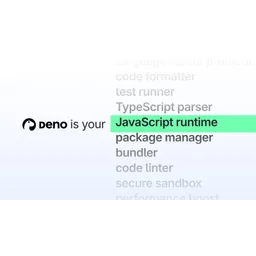
Deno
Developer Tools
A fast, open-source, fully Node-compatible JS runtime with TypeScript baked right in
- From
- Free
- Rated
- -
The short version
- Each has a real cost: Deno egress bandwidth overage costs $0.20/GB which can become expensive for high-traffic applications; Helm licensed under Apache License 2.0 per the project's GitHub repository (helm/helm LICENSE); as open source software it has no paid tier or vendor price to compare
- Prices and features above were last checked on 29 August 2026.
Where they differ
Only the attributes on which Deno and Helm actually diverge.
Identical on both: starting price (Free), free tier (Yes), platforms (Web), user rating (Not yet rated), category (Developer Tools).
What people use each for
The jobs each tool is most often brought in to do.
Deno
- Running TypeScript natively without transpilation overheadnot Helm
- Migrating Node.js applications to secure-by-default runtimenot Helm
- Deploying edge functions and serverless containers seamlesslynot Helm
- Consolidating developer tools into single binarynot Helm
Helm
- Kubernetes package manager and deployment toolnot Deno
Where each one falls short
Documented limitations, not opinions. Every one is a constraint you would hit in normal use.
Deno
- Egress bandwidth overage costs $0.20/GB which can become expensive for high-traffic applications
- CPU time overage is $0.10/hour on Pro and Builder tiers, adding to costs for compute-intensive workloads
- Enterprise pricing is not disclosed; requires sales contact
Helm
- Licensed under Apache License 2.0 per the project's GitHub repository (helm/helm LICENSE); as open source software it has no paid tier or vendor price to compare
- Contributors must sign commits under the Developer Certificate of Origin to have them accepted, per helm.sh, a process requirement not all Kubernetes tools impose
Pricing, plan by plan
Deno
Free- FreeFree
- 1 million requests/month
- 20GB egress bandwidth
- 10 apps
- Pro$20/month
- 5 million requests/month
- 200GB egress
- 50 apps
- Builder$200/month
- 25 million requests/month
- 2,000GB egress
- 10,000 apps
- Enterprise$null/month
- Custom limits on all metrics
- 99.95% reliability SLA
- Email support with SLA
Helm
FreeNo published plan breakdown. See the Helm review.
Which should you pick?
Questions people ask
- Is Deno or Helm better?
- Neither clearly leads. Deno starts at Free and Helm at Free, and user ratings are close enough to be indistinguishable. Choose on capability and platform support.
- Which is cheaper, Deno or Helm?
- Deno starts at Free and Helm at Free.
- Does Deno or Helm run on more platforms?
- Both run on Web, so platform support will not decide this one for you.
- Can I use Deno for free?
- Both have a free tier, so you can try either at no cost before committing.
- What is Deno best used for?
- Deno is most often used for running typescript natively without transpilation overhead, migrating node.js applications to secure-by-default runtime, deploying edge functions and serverless containers seamlessly, consolidating developer tools into single binary. Of those, running typescript natively without transpilation overhead and migrating node.js applications to secure-by-default runtime are not what Helm is typically brought in for.
Answered from the vendors’ own pages
Deno: How much does Deno Deploy cost?
Deno Deploy offers a free tier at $0/month, Pro at $20/month, and Builder at $200/month. Enterprise has custom pricing. All plans include base request and bandwidth limits, with overage charges for additional usage.
SourceHelm: How much does Helm cost?
Helm is free and open-source. It is a graduated project in the Cloud Native Computing Foundation (CNCF) with no commercial pricing model.
SourceDeno: What are Deno Deploy's overage charges?
Egress bandwidth overages cost $0.20 per GB. CPU time overages are $0.10 per hour on Pro and Builder tiers. Memory time and KV database operations also incur charges beyond included limits.
SourceDeno: How many apps can I deploy on Deno's free plan?
The free tier includes 10 apps with up to 1 concurrent build. Pro tier supports 50 apps with 3 concurrent builds, and Builder supports 10,000 apps with 20 concurrent builds.
SourceDeno: How many team members can access Deno Deploy?
The free tier supports up to 3 team members. Pro supports 10 team members. Builder supports 25 team members. Enterprise has custom seat limits.
SourceRelated pages
Other head to heads
- Deno vs Turborepo
- Deno vs ESLint
- Deno vs pnpm
- Deno vs Visual Studio Code
- Deno vs Jitsu
- Deno vs Argo CD
- Deno vs Frappe
- Deno vs Git
- Deno vs Restate
- Deno vs Soketi
- Deno vs Keil MDK
- Deno vs Vite
- Deno vs SonarQube
- Deno vs Sourcegraph
- Deno vs Sweep
- Deno vs Visual Studio
- Deno vs Warp
- Deno vs Yarn
- Deno vs Nix
- Deno vs Okteto
- Deno vs Moonrepo
- Deno vs Nx Cloud
- Deno vs Pants Build
- Deno vs Buildkite
- Deno vs JetBrains Rider
- Deno vs Spacelift
- Deno vs Atlantis
- Deno vs Blacksmith
- Deno vs Coder
- Helm vs Turborepo
- Helm vs ESLint
- Helm vs pnpm
- Helm vs Visual Studio Code
- Helm vs Jitsu
- Helm vs Argo CD
- Helm vs Frappe
- Helm vs Git
- Helm vs Restate
- Helm vs Soketi
- Helm vs Keil MDK
- Helm vs Vite
- Helm vs SonarQube
- Helm vs Sourcegraph
- Helm vs Sweep
- Helm vs Visual Studio
- Helm vs Warp
- Helm vs Yarn
- Helm vs Nix
- Helm vs Okteto
- Helm vs Moonrepo
- Helm vs Nx Cloud
- Helm vs Pants Build
- Helm vs Buildkite
- Helm vs JetBrains Rider
- Helm vs Spacelift
- Helm vs Atlantis
- Helm vs Blacksmith
- Helm vs Coder